


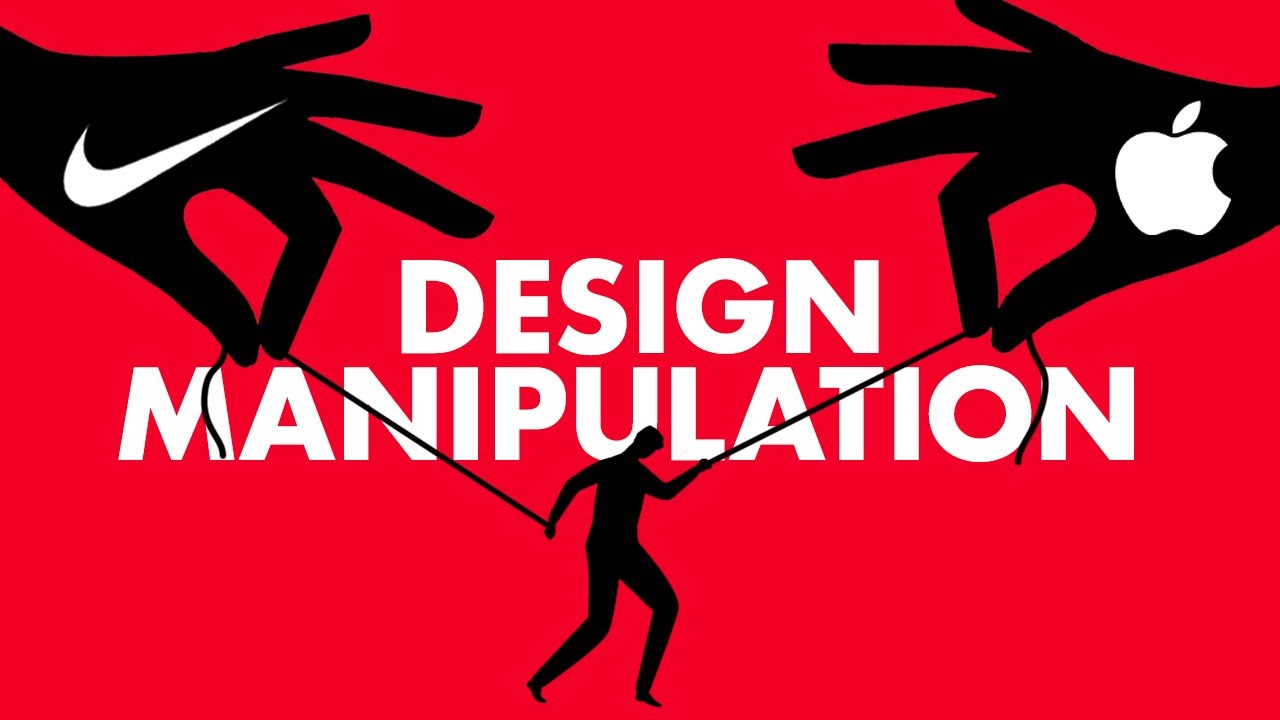
Brands have an uncanny ability to shape our actions and even our physiology. For instance, consider the difference between Tylenol and a generic store-brand medicine. Despite having identical ingredients, the branded pill often feels more effective. Why? The answer lies in the power of branding and design.
The Placebo Effect of Branding
Branding is like a placebo. The mere presence of a MasterCard logo can trigger customers to spend 30% more than they usually would. Companies understand the profound influence of brands. They’re not just selling products; they’re selling tribal group identities. They lure consumers with captivating branding and exquisite design. But how do they achieve this? And is it ethical?
The Evolution of Branding
Branding isn’t a modern phenomenon. As early as 2000 BC, craftsmen imprinted symbols on their goods to indicate their origin. This seemingly simple act was crucial for consumer protection. Without branding, there’s no accountability. The Soviet Union experienced this firsthand when they labeled all bread simply as “bread,” leading to a decline in product quality.
Branding addresses the issue of information asymmetry, where sellers have all the information about a product, and buyers have little. A well-established brand offers inherent trust in a transaction.
Emotional Alchemy in Design
Designers and marketers understand that branding is about emotional influence. For instance, we brush our teeth not just for health but for confidence. The minty freshness of toothpaste doesn’t offer health benefits, but it makes our mouths feel clean. Emotions, contrary to popular belief, are evolutionary shortcuts that guide our actions.
Visual Shorthand in Branding
Visual shorthand is a powerful tool in branding. Consider the stripes in toothpaste. They don’t serve a functional purpose but indicate the multi-faceted benefits of the product. However, visual shorthand can be deceptive. Some car companies add fake vents to make their vehicles appear more powerful. While some might see this as dishonest, visual elements add to the overall aesthetic and can even enhance product effectiveness.
Trustworthiness in Branding
Branding isn’t just about the product; it’s about the seller’s reputation. High-quality packaging and storefronts signal trustworthiness. For instance, Sephora’s rope-handled bags might be an added expense, but they convey a commitment to long-term customer satisfaction. However, scam companies can mimic these signals, making it crucial for consumers to be discerning.
The Power of Perception
During a food packaging design project, I observed that appetizing packaging designs made the food taste better to consumers. Good brands focus on feelings and actions, not just words. But as we delve deeper into the world of branding, the lines between genuine value and manipulation blur.
Brands have harnessed the power of design and psychology to influence our choices. As consumers, it’s essential to recognize these tactics and make informed decisions. The journey through the world of branding is fascinating, revealing the subtle design tactics that sway our decisions every day.
References
- “Influence” by Robert Cialdini
- “Alchemy” by Rory Sutherland
- “The Brand Gap” by Marty Neumeier
